
Introduction to Bitcoin
In this article we learn that Bitcoin and How It Works. In today’s digital world, money is no longer limited to physical cash or bank balances. One of the most revolutionary developments in finance is Bitcoin, a digital currency that operates independently of traditional banking systems. If you’ve ever shocked what Bitcoin is and how it works, you’re not single in this word.
This guide will break down everything you need to know in a simple, human-friendly way—from the basics to advanced concepts—so you can fully understand Bitcoin without feeling overwhelmed.
What Is Bitcoin?
Bitcoin is a decentralized digital currency that allows people to send and receive money over the internet without relying on a bank or government.
It was birth in 2009 by an anonymous person (or group) known as Satoshi Nakamoto.
Key Characteristics of Bitcoin
- Digital-only: No physical coins or notes
- Decentralized: Not controlled by any authority
- Peer-to-peer: Transactions happen directly between users
- Limited supply: Only 21 million bitcoins will ever exist.
In simple terms, Bitcoin is like online cash that you can send anywhere in the world instantly.
The History of Bitcoin
Bitcoin was created after the 2008 financial crisis, when trust in banks and governments was low. Bitcoin and How It Works. The idea was to build a financial system that is transparent, secure, and independent.
Important Milestones
- 2009: Bitcoin launched
- 2010: First real-world purchase (pizza for 10,000 BTC)
- 2017: Bitcoin gained massive popularity
- 2021–2025: Became a widely discussed investment asset
Bitcoin has grown from an experimental technology into a global financial phenomenon.
How Does Bitcoin Work?
To understand Bitcoin, you need to know about blockchain technology.
What Is Blockchain?
A blockchain is a public digital ledger that records all Bitcoin transactions.
Think of it as a shared notebook where every transaction is written permanently and cannot be erased.
How Transactions Work
Here’s a simple step-by-step process:
- You send Bitcoin to someone
- The transaction is broadcast to the network
- Computers (called miners) verify it
- It gets added to a “block”
- The block is added to the blockchain
Once recorded, the transaction becomes permanent and secure.
What Are Bitcoin Wallets?
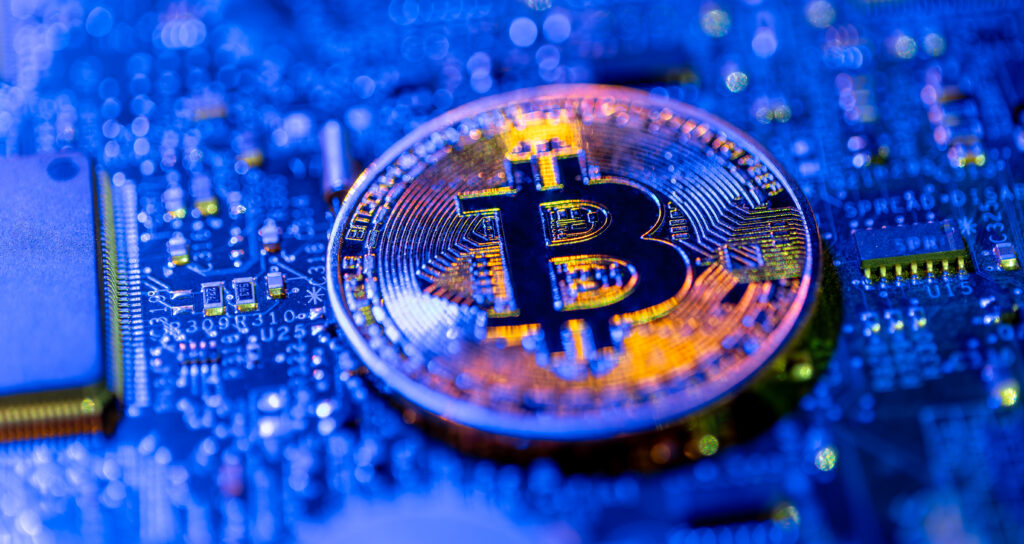
A Bitcoin wallet is where you store your Bitcoin.
Types of Wallets
- Hot Wallets: Connected to the internet (mobile apps, web wallets)
- Cold wallets: Off-the-shelf storage (hardware wallets, paper wallets)
Public and Private Keys
- Public Key: Like your bank account number
- Private Key: Like your password (must be kept secret!)
If someone gets your private key, they can access your Bitcoin—so security is critical.
What Is Bitcoin Mining?
Bitcoin mining is the process of validating transactions and creating new Bitcoins.
How Mining Works
Miners use powerful computers to solve complex math problems.. When they solve one:
- A new block is added to the blockchain
- The miner gets rewarded with Bitcoin
Why Mining Is Important
- Keeps the network secure
- Verifies transactions
- Controls Bitcoin supply
Why Is Bitcoin Valuable?
Bitcoin has value because of several unique features:
1. Limited Supply
Only 21 million Bitcoins will exist, making it Unique like gold.
2. Decentralization
No government or bank controls it, which increases trust for many users.
3. Global Accessibility
Anyone with internet access can use Bitcoin.
4. Security
Advanced cryptography makes Bitcoin transactions extremely secure.
Advantages of Bitcoin
Here are some of the biggest benefits:
Fast Transactions
You can send money globally within minutes.
Low Fees
Transaction fees are often lower than traditional banking.
No Middleman
No need for banks or payment processors.
Financial Freedom
You control your own money.
Disadvantages of Bitcoin
Despite its benefits, Bitcoin has some drawbacks:
Price Volatility
Bitcoin prices can rise and fall dramatically.
Limited Acceptance
Not all businesses accept Bitcoin yet.
Security Risks
If you lost secrets key, your Bitcoin is gone forever.
Regulatory Uncertainty
Different countries have different rules about Bitcoin.
How to Buy Bitcoin
Getting started with Bitcoin is easier than you think.
Steps to Buy Bitcoin
- Choose a cryptocurrency exchange
- Create an account
- Verify your identity
- Deposit funds
- Buy Bitcoin
Popular Platforms
Binance
Binance is one of the world’s largest cryptocurrency exchanges, offering trading, staking, futures, and digital wallet services with support for hundreds of cryptocurrencies globally.
Coinbase
Bitcoin and How It Works. Coinbase is a beginner-friendly crypto exchange that allows users to buy, sell, and store cryptocurrencies securely through an easy-to-use platform and mobile app.
Kraken
Kraken is a trusted cryptocurrency exchange known for strong security, advanced trading features, staking services, and support for many digital assets worldwide.
Always choose a secure and trusted platform.
How to Use Bitcoin
What Is Bitcoin and Bitcoin can be used in multiple ways:
1. Online Payments
Many websites accept Bitcoin as payment.
2. Investment
People buy Bitcoin hoping its value will increase.
3. Money Transfers
Send money internationally quickly and cheaply.
Is Bitcoin Legal?
Bitcoin is officially legal in many countries, but regulations vary.
- Some countries fully support it
- Others restrict or ban it
- Many are still developing laws
Before investing, always check your country’s regulations.
Bitcoin vs Traditional Currency
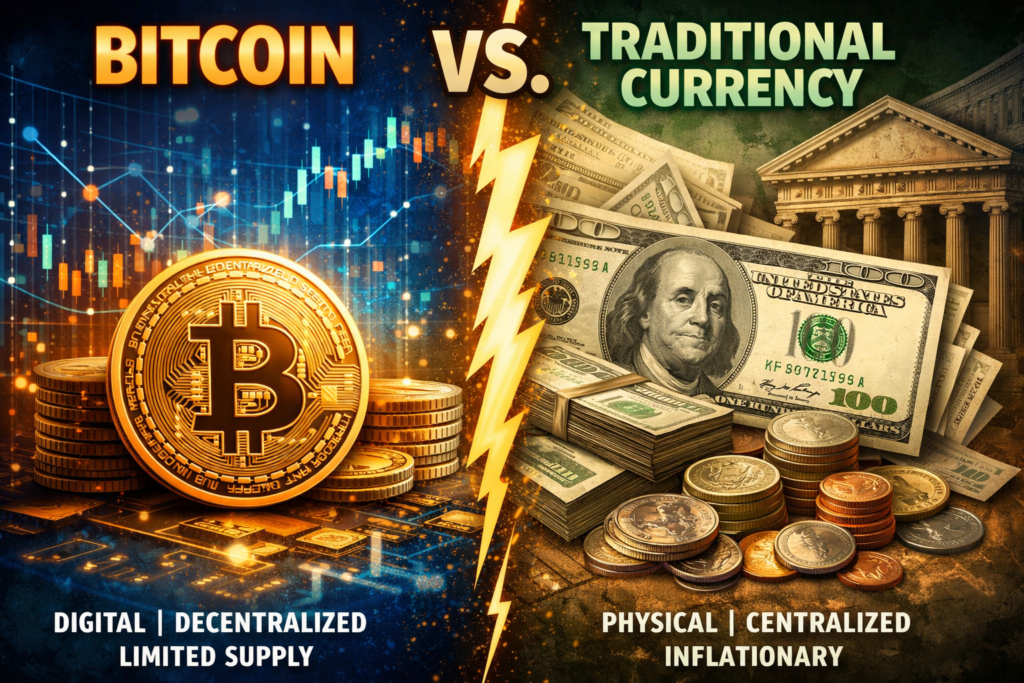
Let’s compare Bitcoin with regular money:
| Feature | Bitcoin | Traditional Currency |
|---|---|---|
| Control | Decentralized | Government-controlled |
| Supply | Limited | Unlimited |
| Transactions | Fast, global | Slower, regulated |
| Fees | Low | Higher |
| Transparency | Public ledger | Private records |
Bitcoin offers more freedom, while traditional money offers more stability.
Future of Bitcoin
Bitcoin’s future looks promising but uncertain.
Possible Trends
- Increased global adoption
- Integration with financial systems
- Regulation by governments
- Use as digital gold
Many experts believe Bitcoin could become a major part of the global economy.
Tips for Beginners
If you’re new to Bitcoin and wants to know that Bitcoin and How It Works keep these tips in mind:
- Start small: Don’t invest more than you can afford to lose
- Use secure wallets
- Keep your private key safe
- Avoid scams
- Stay informed
Learning before investing is the smartest move.
Common Myths About Bitcoin
Let’s clear up some misconceptions:
Myth 1: Bitcoin Is Illegal
Not true—it’s legal in many countries.
Myth 2: Bitcoin Is Anonymous
Transactions are public, but identities are hidden.
Myth 3: It’s Too Late to Invest
Bitcoin still has growth potential, but risks exist.
FAQs About Bitcoin and How It Works
1. How does Bitcoin work?
Bitcoin works through a blockchain, which is a public digital ledger that records every transaction. Computers around the world verify and secure these transactions using cryptography.
2. What is blockchain technology?
Blockchain is a system that stores transaction records in blocks linked together in chronological order. It provides transparency, security, and prevents unauthorized changes.
3. Who created Bitcoin?
Bitcoin was created in 2009 by an anonymous person or group using the name Satoshi Nakamoto. The true identity remains unknown.
4. Is Bitcoin physical money?
No, Bitcoin exists only digitally. It cannot be touched like paper currency or coins, but it can be stored in digital wallets and used online.
5. How can someone buy Bitcoin?
People can buy Bitcoin through cryptocurrency exchanges, mobile apps, peer-to-peer platforms, or Bitcoin ATMs using traditional money.
6. What is a Bitcoin wallet?
A Bitcoin wallet is a digital tool used to store, send, and receive Bitcoin securely. Bitcoin and How It Works. Wallets can be mobile apps, desktop software, hardware devices, or online services.
7. Is Bitcoin safe to use?
Bitcoin transactions are protected by advanced encryption and blockchain technology. However, users must secure their wallets and private keys to avoid hacking or theft.
8. Can Bitcoin be used for payments?
Yes, many businesses and online platforms accept Bitcoin for products and services. It can also be used for international transfers and online purchases.
9. What is Bitcoin mining?
Bitcoin mining is the process where powerful computers solve complex mathematical problems to verify transactions and add new blocks to the blockchain. Miners earn Bitcoin rewards.
10. Why does Bitcoin’s price change frequently?
Bitcoin prices change because of market demand, investor sentiment, government regulations, global economic news, and limited supply.
11.Is Bitcoin legal?
Bitcoin is legal in many countries, but regulations vary worldwide. Some governments support it, while others restrict or ban cryptocurrency usage.
12. What makes Bitcoin different from traditional currency?
Bitcoin is decentralized, has limited supply, allows peer-to-peer transactions, and is not controlled by central banks or financial institutions.
13. How many Bitcoins can exist?
Till time only 21million created Bitcoin. Bitcoin and How It Works. This limited supply is designed to make Bitcoin scarce and potentially valuable over time.
14. Can Bitcoin transactions be reversed?
No, Bitcoin transactions are usually permanent once confirmed on the blockchain. This makes accuracy important when sending funds.
15. What are the advantages of Bitcoin?
Bitcoin offers fast international transfers, lower transaction fees, financial independence, transparency, and protection from inflation in some cases.
16. What are the risks of Bitcoin?
Bitcoin prices can be highly volatile. Bitcoin and How It Works. Users may also face risks from scams, hacking, forgotten passwords, and changing government regulations.
17. Can Bitcoin make people money?
Some people profit from Bitcoin investments when prices rise, but losses are also possible due to market volatility. It should be approached carefully.
18. Is Bitcoin the same as cryptocurrency?
Bitcoin is a type of cryptocurrency, but there are thousands of other cryptocurrencies available, such as Ethereum and Litecoin.
Final Thoughts
Bitcoin is more than just dige, and transparent way to transfer value, Bitcoin has opened the door to a new era of finance.
While it comes with risks like volatility and regulatory uncertainty, its advantages—such as global accessibility, low fees, and independence from banks—make it an attractive option for many people.
If you’re just starting out, take your time to understand how Bitcoin works, invest wisely, and always prioritize security. Bitcoin and How It Works. With the right knowledge, you can confidently explore the world of cryptocurrency and decide whether Bitcoin fits into your financial future.