
Introduction to Banking Systems.
A bank is one of the most essential pillars of the global financial system. We depend on banks to secure our money, facilitate daily transactions, and provide financial support for personal and business growth. Whether we are saving for the future, buying a home, or running a company, banks play a crucial role in managing and distributing financial resources.
Understanding Bank and How It Works allows us to make smarter financial decisions, build wealth, and navigate the economy with confidence.
What Is a Bank?
A bank is a licensed financial institution that accepts deposits from the public and provides loans while offering a wide range of financial services. Bank and How It Works, It acts as a bridge between those who have excess funds and those who need financial assistance.
Banks operate under strict regulations to ensure financial stability, security, and transparency. These regulations protect customers and maintain trust in the financial system.
Primary Functions of a Bank
- Accepting deposits from individuals and businesses
- Providing loans and credit facilities
- Facilitating financial transactions
- Offering investment and wealth management services
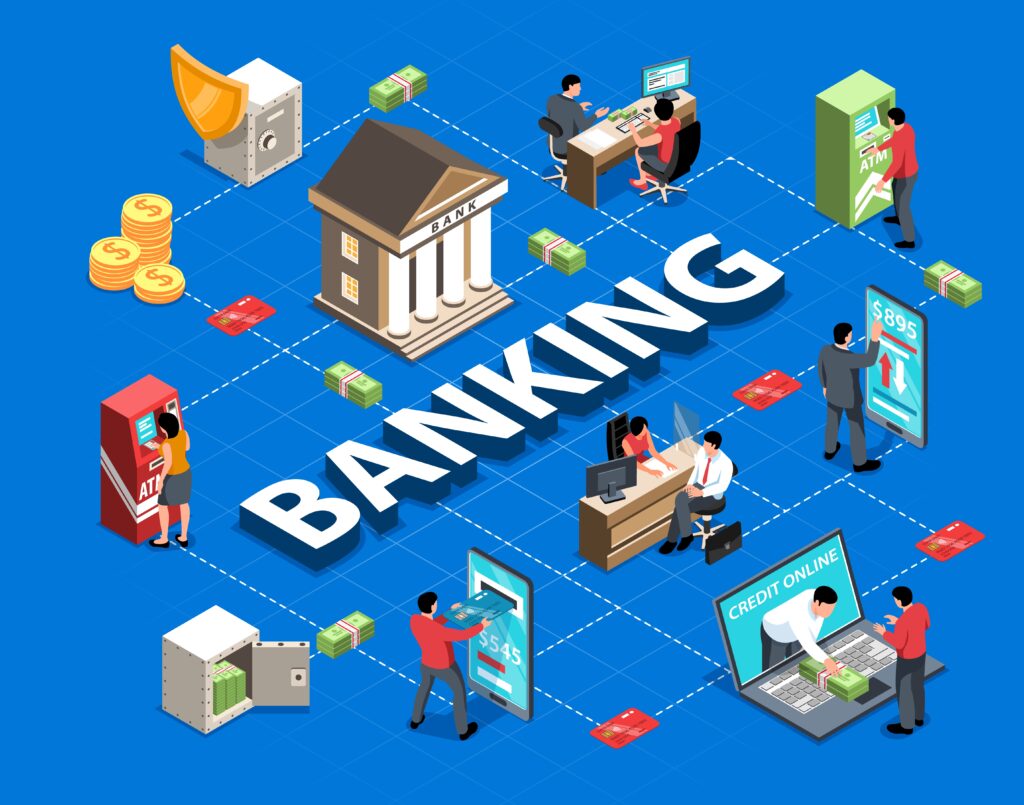
How Banks Work: A Step-by-Step Explanation
The working mechanism of banks is based on a simple but highly effective financial model. Bank and How It Works collect money from depositors and lend it to borrowers, earning profits through interest differences.
1. Accepting Deposits
Banks provide various types of accounts where customers can deposit their money:
- Saving Accounts– Ideas for individuals to save money and earn interest .
- Current Accounts – Designed for businesses with frequent transactions.
- Fixed Deposit – Long term savings with higher interest rates.
These deposits form the foundation of a bank’s operations.
2. Lending Money
Banks use a portion of deposited funds to provide loans such as:
Personal Loans for Individual Needs
Personal loans help individuals cover expenses such as education, medical bills, travel, weddings, or emergencies. They usually offer flexible repayment terms and fixed monthly installments.
Home Loans (Mortgages) for Property Purchase
Home loans allow people to purchase houses or property by borrowing money from banks. Borrowers repay the loan over time with interest through monthly payments.
Business Loans for Expansion and Operations
Business loans provide funding for companies to expand operations, purchase equipment, manage cash flow, hire staff, or invest in new business opportunities and growth.
Credit Cards
Credit cards allow users to make purchases, pay bills, and access short-term credit conveniently. Many cards also offer rewards, cashback, and travel or shopping benefits.
Borrowers are required to repay the loan with interest, which becomes the bank’s income.
3. Interest Rate Spread
Banks earn profits through the difference between interest rates:
- Lower interest paid to depositors
- Higher interest charged to borrowers
This difference is known as the net interest margin, which is a key source of revenue.
4. Maintaining Reserves
Banks are required to keep a portion of deposits as reserves. Learn about Bank and How It Works. This ensures liquidity and allows banks to meet withdrawal demands at any time.
Types of Banks in the Financial System
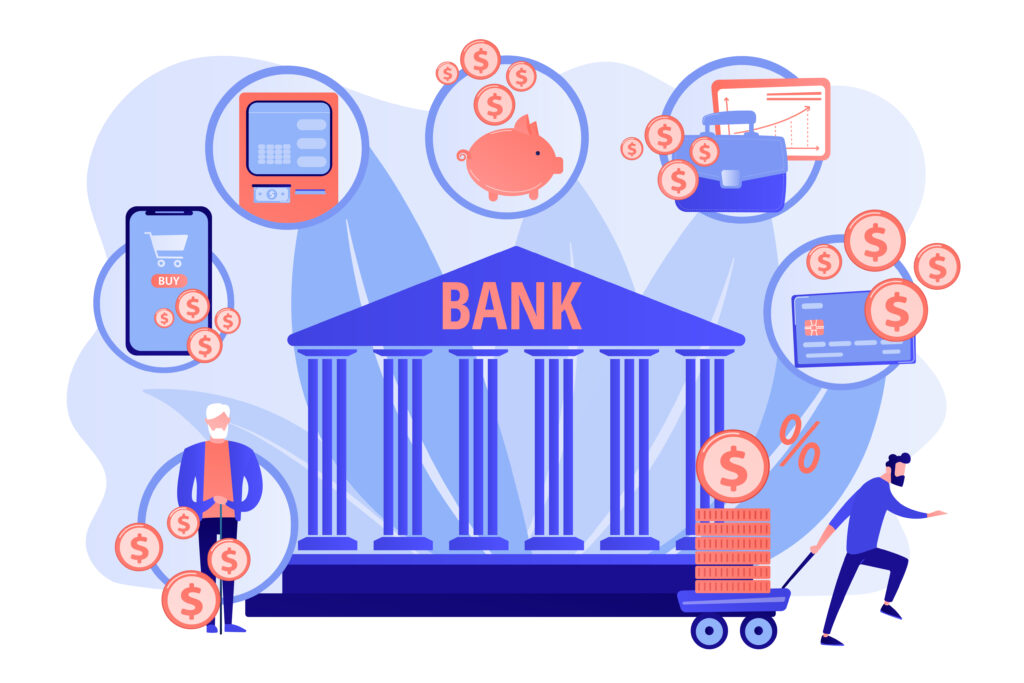
Different types of banks serve different purposes in the economy. Understanding these types helps us choose the right financial services.
Commercial Banks
These are the most common banks offering services to individuals and businesses, including deposits, loans, and payment systems.
Central Banks
Central banks manage a country’s monetary policy. Their functions include:
- Controlling inflation
- Issuing currency
- Regulating commercial banks
Investment Banks
Investment banks specialize in:
- Raising capital
- Managing investments
- Handling mergers and acquisitions
Retail Banks
Retail banks focus on individual customers by providing:
Savings Accounts
Savings accounts allow customers to safely store money while earning interest over time. Bank and How It Works. They offer easy access to funds through ATMs, online banking, and bank branches, making them ideal for daily savings and financial security.
Personal Loans
Personal loans provide individuals with quick access to funds for personal needs such as education, medical expenses, travel, or emergencies. They come with fixed repayment schedules and interest rates for easy budgeting.
Credit Cards
Credit cards offer a convenient way to make purchases on credit, pay bills, and manage short-term expenses. They often include rewards, cashback, and security features, helping users shop online and offline with ease.
Islamic Banks
Islamic banks operate under Shariah law, avoiding interest and using profit-sharing models instead.
Key Banking Services Explained in Detail
Banks provide a wide range of services that make financial management easier and more efficient. What Is a Bank
1. Deposit Services
Banks offer secure ways to store money while earning interest. Deposits are easily accessible and highly secure.
2. Loan and Credit Services
Banks provide funds for:
- Personal expenses
- Business growth
- Education
- Real estate
These services help individuals and businesses achieve their financial goals.
3. Payment and Transfer Services
Banks enable:
- Online money transfers
- Utility bill payments
- International remittances
- Debit and credit card transactions
4. Digital Banking Solutions
Modern banking includes:
- Mobile banking apps
- Internet banking portals
- ATM services
- Contactless payments
These technologies provide convenience, speed, and accessibility.
How Banks Create Money
Banks play a crucial role in money creation through the lending process. Bank and How It Works. When a bank issues a loan, it creates new money in the form of a deposit in the borrower’s account.
This system increases the overall money supply and supports economic activity. It is a fundamental principle of modern banking systems.
Importance of Banks in Economic Development
Banks are vital for the growth and stability of any economy. Their importance includes:
1. Encouraging Savings
Banks provide a safe place to store money, encouraging people to save regularly.
2. Supporting Investment
By providing loans, banks enable businesses to expand, innovate, and create value.
3. Facilitating Trade
Banks make it easier to conduct domestic and international trade through secure payment systems.
4. Job Creation
By funding businesses, banks indirectly contribute to employment opportunities.
5. Financial Stability
Banks help maintain economic balance by regulating money flow and controlling inflation.
Security Measures in Banking
Banks implement advanced security systems to protect customer funds and data:
- Data encryption technologies
- Two-factor authentication (2FA)
- Fraud monitoring systems
- Regulatory compliance policies
These measures ensure that customer information and funds remain secure at all times.
Advantages of Banking Services
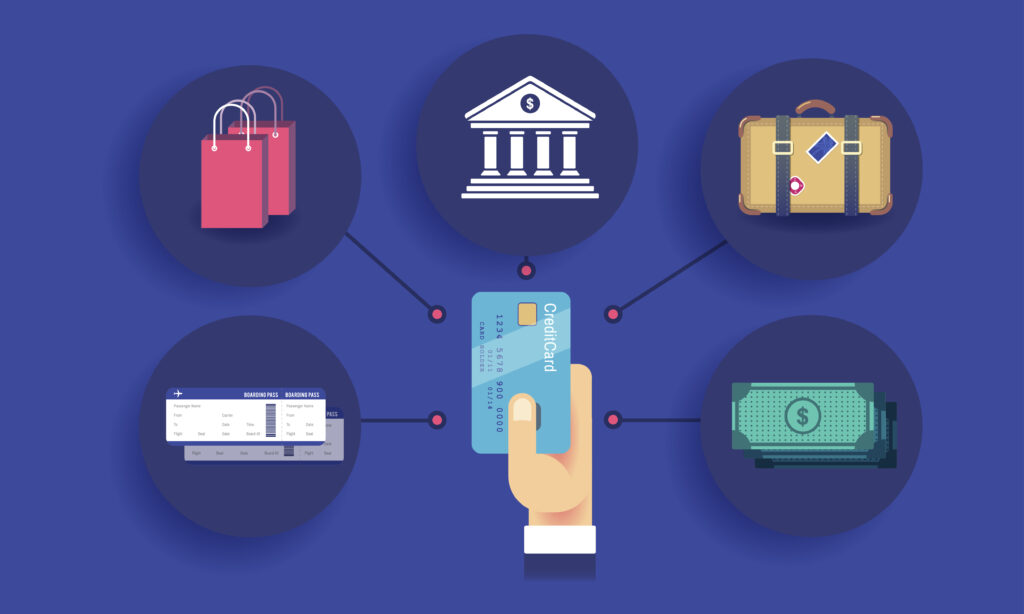
Using banks offers numerous benefits:
Safe and Secure Storage of Money
Banks provide secure systems to protect customer money from theft, fraud, and financial risks through encryption, monitoring, and regulated banking practices.
Easy Access to Funds Anytime
Modern banking allows customers to access funds anytime through ATMs, mobile apps, online banking, and digital payment systems for greater convenience.
Availability of Credit and Loans
Banks offer credit cards, personal loans, and business financing to help customers manage expenses, investments, and important financial goals effectively.
Convenient Digital Services
Digital banking services enable users to transfer money, pay bills, monitor accounts, and complete transactions quickly through secure online platforms Bank and How It Works.
Financial Planning and Investment Opportunities
Banks provide investment plans, savings options, and financial advice to help customers grow wealth, manage risks, and achieve future financial stability.
Banks provide a structured way to manage finances efficiently.
Disadvantages of Banks
Despite their advantages, banks also have some drawbacks:
- Service fees and hidden charges
- High interest rates on loans
- Strict loan approval processes
- Dependence on digital systems
Understanding these limitations helps us use banking services wisely.
The Future of Banking
The banking industry is rapidly evolving with technological advancements.
Digital Banking Revolution
Banks are shifting towards fully digital platforms, reducing the need for physical branches.
Artificial Intelligence Integration
AI is improving:
- Customer support
- Fraud detection
- Financial analysis
Blockchain Technology
Blockchain enhances:
- Transaction transparency
- Security
- Speed
Fintech Collaboration
Banks are partnering with fintech companies to deliver:
- Faster services
- Innovative solutions
- Better user experiences
How to Choose the Best Bank

Selecting the right bank is essential for effective financial management. Key factors to consider include:
Low Fees and Service Charges
Banks with low fees and service charges help customers save money on transactions, account maintenance, ATM usage, and other banking services, making financial management more affordable and convenient.
Competitive Interest Rates
Competitive interest rates allow customers to earn higher returns on savings while reducing borrowing costs on loans, credit cards, and mortgages offered by financial institutions.
Strong Digital Banking Features
Strong digital banking features provide secure mobile apps, online transfers, bill payments, instant notifications, and easy account management for a smooth banking experience.
Reliable Customer Service
Reliable customer service ensures customers receive quick support for banking issues, account inquiries, and financial guidance through multiple communication channels.
Flexible Loan Options
Flexible loan options allow customers to choose repayment terms, interest structures, Bank and How It Works. Loan amounts that fit their financial needs, improving affordability and convenience.
Making an informed choice ensures long-term financial success.
FAQs About “Hidden Banking Business Model”

1. What is a bank?
A bank is a financial institution that accepts deposits, provides loans, and offers services like payments, savings, and money transfers to individuals and businesses.
2. How does a bank work?
Banks take money from customers as deposits and use a portion of it to give loans. They earn profit by charging interest on loans and paying lower interest on savings.
3. What are the main services of a bank?
Banks offer savings accounts, current accounts, loans, credit cards, money transfers, investment services, and digital banking facilities.
4. Why do people use banks?
People use banks for safe money storage, easy transactions, access to credit, savings growth, and financial planning.
5. What is a savings account?
A savings account is a bank account where customers deposit money and earn interest while keeping funds safe and accessible.
6. What is a loan in banking?
A loan is money borrowed from a bank that must be repaid with interest over a fixed period.
7. How do banks make money?
Banks earn money mainly through interest on loans, service fees, investment activities, and financial products.
8. Are banks safe to use?
Yes, banks are regulated by financial authorities and use strong security systems to protect customer money and data.
9. What is digital banking?
Digital banking allows customers to manage accounts, transfer money, and pay bills online or through mobile apps.
10. What is the difference between savings and current accounts?
Savings accounts earn interest for individuals, while current accounts are mainly used by businesses for frequent transactions.
Conclusion

A bank is a powerful financial institution that supports individual growth, business development, and economic stability. By understanding how banks work, Bank and How It Works we gain the ability to use financial services more effectively and make better financial decisions.
From saving money securely to accessing credit for major life goals, banks remain a cornerstone of modern society. As technology continues to evolve, Bank and How It Works, banking will become even more efficient, accessible, and innovative, shaping the future of global finance.